Post-surgical rehabilitation is a critical aspect of the recovery process that helps patients regain their strength, mobility, and independence after surgery. At its core, post-surgical rehabilitation is a form of physical therapy that is tailored to meet the unique needs of each patient. By working with a qualified physical therapist, patients can expect to achieve a faster and more complete recovery, improving their overall quality of life.
The benefits of post-surgical rehabilitation are clear: it can help patients regain their strength, mobility, and independence, allowing them to return to their daily activities more quickly and with greater confidence. In addition, post-surgical rehabilitation can help patients manage pain and reduce the risk of complications, such as infection or blood clots. By focusing on the specific needs of each patient, physical therapists can help patients achieve their recovery goals and improve their overall quality of life.
Recovery from surgery can be a challenging and often frustrating process, but with the right support and guidance, patients can achieve a full and lasting recovery. At our clinic, we are committed to providing patients with the highest quality post-surgical rehabilitation services, helping them achieve their recovery goals and improve their overall well-being.
Understanding Post-Surgical Rehabilitation
When a person undergoes surgery, the recovery process can be long and difficult. Post-surgical rehabilitation is an essential part of the recovery process that helps to restore functionality, alleviate discomfort, and speed up recovery. In this section, we will discuss the goals of rehabilitation, the healing process, and the role of healthcare professionals in post-surgical rehabilitation.
Goals of Rehabilitation
The primary goal of post-surgical rehabilitation is to help the patient return to their normal activities as soon as possible. This is achieved through a tailored physical therapy program designed to restore functionality, mobility, and strength to the body after a surgical procedure. The program is customized to the specific needs of the patient and may include exercises, stretches, and other methods to help the patient regain their independence and improve their quality of life.
The Healing Process
The healing process after surgery can be a complex and challenging time for the patient. Post-surgical rehabilitation is designed to help the patient through this process by providing education, support, and guidance. The rehabilitation process may involve evaluation of the patient’s physical condition, identification of potential complications, and the development of a customized rehabilitation plan.
Role of Healthcare Professionals
Post-surgical rehabilitation involves a team of healthcare professionals, including physical therapists, nurses, and other healthcare professionals. The physical therapist is responsible for developing and implementing the rehabilitation plan, while the nurses and other healthcare professionals provide support and guidance throughout the recovery process. The healthcare team works together to ensure that the patient receives the best possible care and support during their recovery.
In conclusion, post-surgical rehabilitation is a critical part of the recovery process after surgery. It helps patients to regain their independence, improve their quality of life, and return to their normal activities as soon as possible. Through a customized physical therapy program, education, and support from healthcare professionals, patients can recover from surgery successfully.
Developing a Rehabilitation Plan

When it comes to post-surgical physical rehabilitation, developing a comprehensive rehabilitation plan is essential for successful recovery. Our team of healthcare professionals works together to create a customized plan for each patient, taking into account their unique needs, goals, and medical history.
Initial Assessment
The first step in developing a rehabilitation plan is to conduct an initial assessment. This assessment includes a thorough evaluation of the patient’s physical abilities, pain levels, and overall health. We use this information to create a baseline for the patient’s rehabilitation program.
During the assessment, we also discuss the patient’s goals for recovery. This helps us tailor the rehabilitation plan to meet the patient’s specific needs and desires. We take into account the patient’s desired level of function and their daily activities to create a plan that is both achievable and effective.
Creating an Exercise Program
Exercise is a critical component of any post-surgical rehabilitation plan. Our team of healthcare professionals works together to create an exercise program that is tailored to the patient’s needs. The program is designed to improve strength, mobility, and function while also reducing pain.
The exercise program may include a combination of exercise rehabilitation, exercise therapy, and manual therapy. We may also incorporate modalities such as heat or ice therapy, electrical stimulation, or ultrasound therapy to help reduce pain and improve muscle strength.
Incorporating Support Services
In addition to exercise, we may also incorporate support services into the patient’s rehabilitation plan. This may include working with a physiatrist, occupational therapist, or dietitian to address specific needs and concerns.
We may also recommend outpatient rehabilitation services or clinic visits to help the patient achieve their goals. Our team of healthcare professionals works together to provide comprehensive care and support throughout the rehabilitation process.
Overall, developing a rehabilitation plan is essential for successful post-surgical recovery. Our team of healthcare professionals works together to create a customized plan that is tailored to each patient’s unique needs and goals. By incorporating exercise, support services, and modalities, we help patients improve their strength, mobility, and function while reducing pain and improving confidence.
Rehabilitation Techniques and Modalities
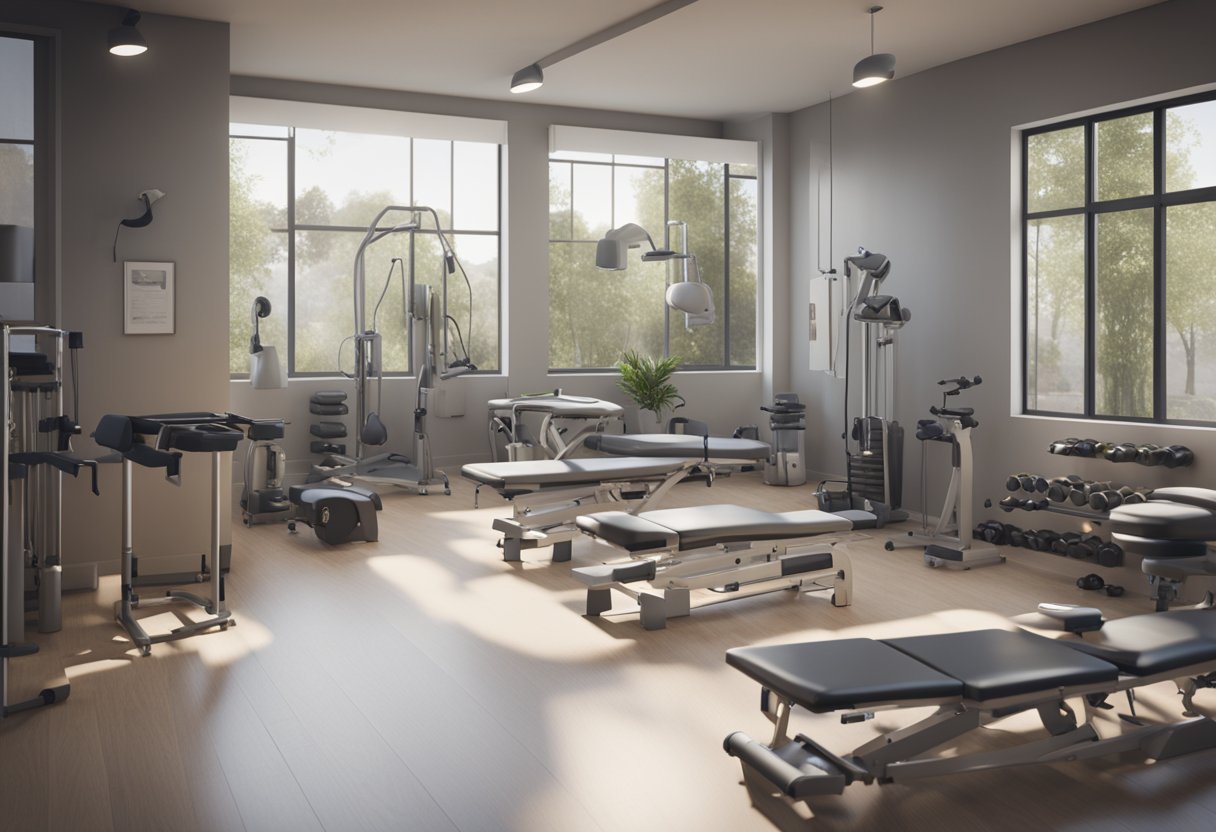
At our rehabilitation center, we use a combination of manual therapy and exercises, technology and equipment, and home exercise programs to promote recovery and improve the range of motion, muscle function, endurance, balance, stiffness, flexibility, and pain relief of our patients.
Manual Therapy and Exercises
Our team of experienced therapists use various manual therapy techniques such as massage, joint mobilization, and stretching to help relieve pain and stiffness in our patients. We also incorporate exercises that are specific to the patient’s condition and needs. These exercises include balance exercises, progressive resistance exercises, and specific exercises that target the affected area.
Use of Technology and Equipment
We use state-of-the-art technology and equipment to aid in the rehabilitation process. Our equipment includes electrical stimulation machines, ultrasound machines, and laser therapy machines. These machines are used to promote healing and relieve pain. We also use equipment such as resistance bands, weights, and exercise balls to help our patients regain strength and flexibility.
Home Exercise Programs
We believe that recovery is not limited to the time spent in our rehabilitation center. To promote long-term recovery, we provide our patients with home exercise programs that are tailored to their specific needs. These programs include exercises that help maintain the progress made during their rehabilitation sessions. Our patients are also given instructions on how to perform the exercises correctly to prevent complications and ensure maximum benefit.
In conclusion, we use a combination of manual therapy and exercises, technology and equipment, and home exercise programs to promote recovery and improve the range of motion, muscle function, endurance, balance, stiffness, flexibility, and pain relief of our patients. Our goal is to help our patients regain their independence and return to their normal activities as quickly as possible.
Monitoring Progress and Outcomes

At every stage of post-surgical rehabilitation, monitoring progress and outcomes is crucial to ensure the success of the rehabilitation plan. Regular evaluations allow us to assess the patient’s healing process, independence, and overall physical function. This information helps us to adjust the rehabilitation plan as needed to ensure faster recovery and prevent complications such as blood clots.
Regular Evaluations
Regular evaluations are an essential part of post-surgery rehabilitation. Physical therapists and other members of the multidisciplinary team should conduct evaluations at regular intervals to assess the patient’s progress. These evaluations should include assessments of range of motion, strength, and overall physical function.
Adjusting the Rehabilitation Plan
Based on the results of regular evaluations, we may need to adjust the rehabilitation plan to ensure that the patient is making progress and achieving their goals. For example, if a patient is experiencing muscle atrophy, we may need to adjust their exercise program to target specific muscle groups. Similarly, if a patient is experiencing depression or anxiety, we may need to adjust their rehabilitation plan to provide additional support and motivation.
Long-Term Follow-Up
Long-term follow-up is essential to ensure that patients maintain their physical function and independence after completing their rehabilitation program. Follow-up appointments should be scheduled at regular intervals to assess the patient’s progress and provide additional support as needed. This is particularly important for patients who have undergone knee replacement, ACL surgery, hip surgery, or spine surgery.
In conclusion, monitoring progress and outcomes is critical to the success of post-surgical rehabilitation. Regular evaluations, adjusting the rehabilitation plan, and long-term follow-up are all essential components of a successful rehabilitation program. By working closely with our patients and providing them with the support they need, we can help them achieve their rehabilitation goals and improve their overall quality of life.
Frequently Asked Questions (FAQs)

What are the benefits of physical therapy following surgery?
Physical therapy following surgery has many benefits. It helps to reduce pain, swelling, and inflammation, as well as improve range of motion and strength. Additionally, physical therapy can help to prevent blood clots, improve circulation, and decrease the risk of infection. It can also help patients to regain independence and return to their normal activities of daily living.
How long is physical therapy typically required after an operation?
The length of time required for physical therapy after an operation varies depending on the type of surgery and the patient’s individual needs. In general, patients can expect to undergo physical therapy for several weeks to several months. The frequency and duration of therapy sessions will be determined by the physiotherapist and will depend on the patient’s progress.
What types of exercises are involved in orthopedic postoperative rehabilitation?
The types of exercises involved in orthopedic postoperative rehabilitation will depend on the type of surgery and the patient’s individual needs. Generally, exercises will focus on improving range of motion, strength, and flexibility. These may include stretching, resistance training, and low-impact aerobic exercises.
Can elderly patients undergo rehabilitation after surgical procedures?
Yes, elderly patients can undergo rehabilitation after surgical procedures. In fact, physical therapy can be especially beneficial for older adults, as it can help to improve balance, prevent falls, and maintain independence. Physiotherapists will work with elderly patients to develop a rehabilitation plan that is safe and effective for their individual needs.
What guidelines do physiotherapists follow for post-abdominal surgery care?
Physiotherapists follow specific guidelines for post-abdominal surgery care, which may include breathing exercises, gentle abdominal exercises, and mobility exercises. These exercises are designed to help patients regain strength, improve circulation, and prevent complications such as pneumonia and blood clots.
What should one expect from a short-term rehabilitation facility after surgery?
Patients who undergo surgery may require short-term rehabilitation in a facility. These facilities provide a range of services, including physical therapy, occupational therapy, and nursing care. Patients can expect to receive personalized care and attention from a team of healthcare professionals who will work together to help them regain their strength and independence.