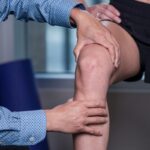
Understanding Physiotherapy
Physiotherapy is a pivotal aspect of healthcare focused on rehabilitating and improving your physical well-being. When engaging in physiotherapy, you’re often in the care of a qualified physiotherapist. Their education and skills enable them to design personalized treatment plans that are tailored to individual needs.
This form of treatment encompasses a variety of techniques designed to restore movement and function if you have been affected by injury, illness, or disability. Through rehabilitation exercises, manual therapy, and the use of technology, physiotherapy can provide a supportive path toward recovery and maintenance of your long-term health.
(Pardon our images in advance, we’re still working on figuring out how to get sharp AI pictures!)
| Element | Role in Physiotherapy |
|---|---|
| Exercise | Improves mobility and strength |
| Manual Therapy | Enhances function and relieves pain |
| Education | Informs and empowers patients for sustained health |
| Holistic Approach | Considers overall well-being in treatment strategies |
A holistic approach is key to effective physiotherapy, taking into account not just the physical aspects but also the psychological, emotional, and social well-being. In places like Simcoe, Ontario, you can find centres providing comprehensive health care, focusing on personalized patient experiences.
Remember, physiotherapy isn’t only for recovery; it’s also a preventative measure. By receiving education on body mechanics and certain exercises, you can prevent future injuries and enhance your overall quality of life. Whether you’re recovering from surgery, managing a chronic illness, or aiming to improve your physical condition, physiotherapy serves as a cornerstone for maintaining a healthy, active lifestyle.
Assessment and Treatment Planning

Before embarking on a course of physiotherapy, a thorough assessment and careful treatment planning are critical to address your specific needs. This approach ensures that the treatment you receive is both effective and tailored to facilitate your recovery and enhance your physical function.
Determining Patient Needs
Your journey begins with a functional assessment to determine the extent of your condition or injuries. During this stage, a physiotherapist will evaluate your physical abilities along with any pain or discomfort you may be experiencing. To accurately assess your needs, the evaluation will often include a review of your medical history, a physical examination, and possibly diagnostic tests. Understanding your goals is also integral to crafting an effective treatment plan. Whether you aim to return to a beloved sport or to perform daily activities without pain, your goals will guide the therapeutic process.
Customized Treatment Plans
Once your needs are established, a customized treatment plan is developed, uniquely aligned with your personal health objectives. This might entail various interventional strategies such as manual therapy, exercises, or modalities like heat or ice. The objective is to address your specific conditions using evidence-based treatments.
For example, if you’re in Simcoe, Ontario, a clinic like Simcoe Physiotherapy Centre would then implement this plan, which may evolve over time, adapting to your progress and any changes in your condition. The customized plan is fundamental in navigating the path to your recovery, ensuring that each step taken is intentional and conducive to achieving your functional goals.
Physiotherapy Techniques and Modalities

Physiotherapy encompasses a multitude of techniques and modalities, each tailored to treat specific conditions and help you regain or enhance your physical abilities. The following forms of therapy are pivotal in physiotherapy practice.
Manual Therapy
Manual therapy involves hands-on techniques to manipulate muscles and joints, aiming to decrease pain and improve movement. Within Simcoe, Ontario, therapists at facilities like Simcoe Physiotherapy Centre may use joint mobilizations to increase joint motion and soft tissue mobilizations to decrease muscle tension.
Exercise Therapy
The cornerstone of physiotherapy, exercise therapy, incorporates a variety of exercises to improve your strength, coordination, balance, and flexibility. Your physiotherapist will guide you through targeted exercises designed for your specific needs, aiding in enhanced mobility and injury prevention.
Heat and Cold Therapy
Heat therapy entails the use of hot packs or warm towels to relax muscles and increase blood circulation, which can aid in the healing process of affected tissues. On the flip side, cold therapy often involves ice packs to reduce inflammation and numb sore areas post-injury.
Electrotherapy Techniques
Electrotherapy techniques, such as ultrasound and TENS (transcutaneous electrical nerve stimulation), utilize electrical signals or sound waves to promote soft tissue healing and provide pain relief. Ultrasound therapy helps in repairing tissue and easing pain, while TENS aims to reduce pain by blocking nerve signals. Facilities like Simcoe Physiotherapy Centre incorporate these modalities as part of a comprehensive treatment plan.
Benefits for Specific Conditions

Physiotherapy provides targeted interventions for various health conditions, focusing on enhancing your quality of life through improved function and independence.
Musculoskeletal and Sports Injuries
If you suffer from sports-related injuries or musculoskeletal conditions like arthritis, physiotherapy can play a crucial role in your recovery. Your treatment may include exercises to strengthen muscles and improve flexibility, which are vital for restoring movement and mitigating pain in affected joints. Techniques such as manual therapy and ultrasound might be used to enhance your healing process.
Neurological Disorders
For neurological conditions such as stroke or multiple sclerosis, tailored physiotherapy programs aid in regaining mobility and strength. These interventions help retrain your nervous system to improve movement patterns and functionality, ultimately contributing to your independence.
Cardiorespiratory Conditions
Individuals with cardiorespiratory conditions can benefit from physiotherapy by engaging in specialized breathing exercises and physical training designed to strengthen the heart and improve respiratory capacity. These techniques are geared towards enhancing your cardiovascular and pulmonary health, promoting endurance, and easing the effort involved in daily activities.
Long-Term Benefits and Lifestyle Integration

The practice of physiotherapy extends beyond immediate relief, offering long-term solutions for chronic pain management and aging, while promoting an overall lifestyle that prioritizes holistic health and disease prevention.
Chronic Pain and Aging
You may find that chronic pain becomes a more persistent issue as you age, but physiotherapy provides a non-invasive approach to alleviate discomfort and improve quality of life. By integrating regular physical therapy exercises into your lifestyle, you can maintain better physical function and fitness, which are vital for healthy aging. Studies show that life-long exercise is crucial for maximizing well-being and function in adults with common age-related conditions like knee osteoarthritis.
Holistic Health and Disease Prevention
Adopting physiotherapy into your daily life can have multifaceted benefits; it’s a proactive approach to prevent chronic conditions and maintain well-being. Engaging in consistent physical activity under the guidance of a physiotherapist can help you take an active role in managing your health. This integration of physiotherapy supports not just your physical state but also contributes to your overall well-being, including mental and emotional health, by promoting the release of endorphins known as “feel-good” hormones. Physiotherapy, rooted in promoting an active lifestyle, can help with the prevention of noncommunicable diseases like coronary heart disease and type 2 diabetes mellitus.
Frequently Asked Questions

Physiotherapy covers a broad spectrum of treatments and benefits for various conditions. Explore answers to some common inquiries about its impact on health and recovery.
How can physiotherapy help in managing back pain?
Physiotherapy uses exercises and modalities like heat therapy or manual therapy to alleviate back pain. It aims to improve mobility and strengthen the back muscles to support your spine more effectively.
What are the key advantages of physiotherapy for individuals with cerebral palsy?
For those with cerebral palsy, physiotherapy improves postural control, enhances muscle strength, and increases joint mobility, leading to better quality of movement and independence in daily activities.
In what ways does physiotherapy contribute to daily well-being?
Regular physiotherapy promotes a better range of motion, reduces the risk of injury by strengthening the body, and can boost mental health through the release of endorphins, contributing to an improved daily well-being.
What are the primary roles and goals of a physiotherapist?
A physiotherapist’s primary role is to assess and treat physical conditions to restore, maintain, and improve mobility and function. Their goal is to enhance one’s quality of life through personalized rehabilitation programs.
Why is physiotherapy considered crucial for rehabilitation processes?
Physiotherapy is crucial because it aids the recovery process from injuries and surgeries with controlled, therapeutic exercises and helps manage chronic conditions, limiting the potential for long-term disability.
What are prominent benefits experienced by patients undergoing physical therapy?
Patients often experience reduced pain, improved joint mobility, better coordination, and enhanced overall fitness, which can be particularly beneficial for a swift recovery, especially within communities such as Simcoe, Ontario.