
Benefits, Mechanisms, and Clinical Uses of Hydrogen Therapy
I’ve been studying hydrogen therapy for years. What started as curiosity about this simple gas has turned into a deep dive into one of medicine’s most promising therapies.
Hydrogen therapy uses molecular hydrogen (H2) as a treatment. People receive it through inhalation, hydrogen-rich water, or injections to get antioxidant and anti-inflammatory benefits throughout the body.
Molecular hydrogen works by selectively neutralizing harmful free radicals. It supports your body’s healing processes without disrupting the good stuff going on in your cells.
Unlike traditional antioxidants, hydrogen’s selective antioxidant properties target only the nastiest molecules—think hydroxyl radicals and peroxynitrite—while leaving the helpful ones alone.
What makes hydrogen therapy so interesting is its versatility and impressive safety. I’ll walk you through the science of how this tiny molecule crosses cell membranes, the different ways you can get treatment, and the growing evidence for its use in everything from inflammation to neurological disorders.
If you’re wondering why molecular hydrogen therapy keeps popping up in medical circles, well, there’s a reason. It’s gaining traction as a therapeutic gas with potential in all sorts of specialties.
Fundamentals of Hydrogen Therapy
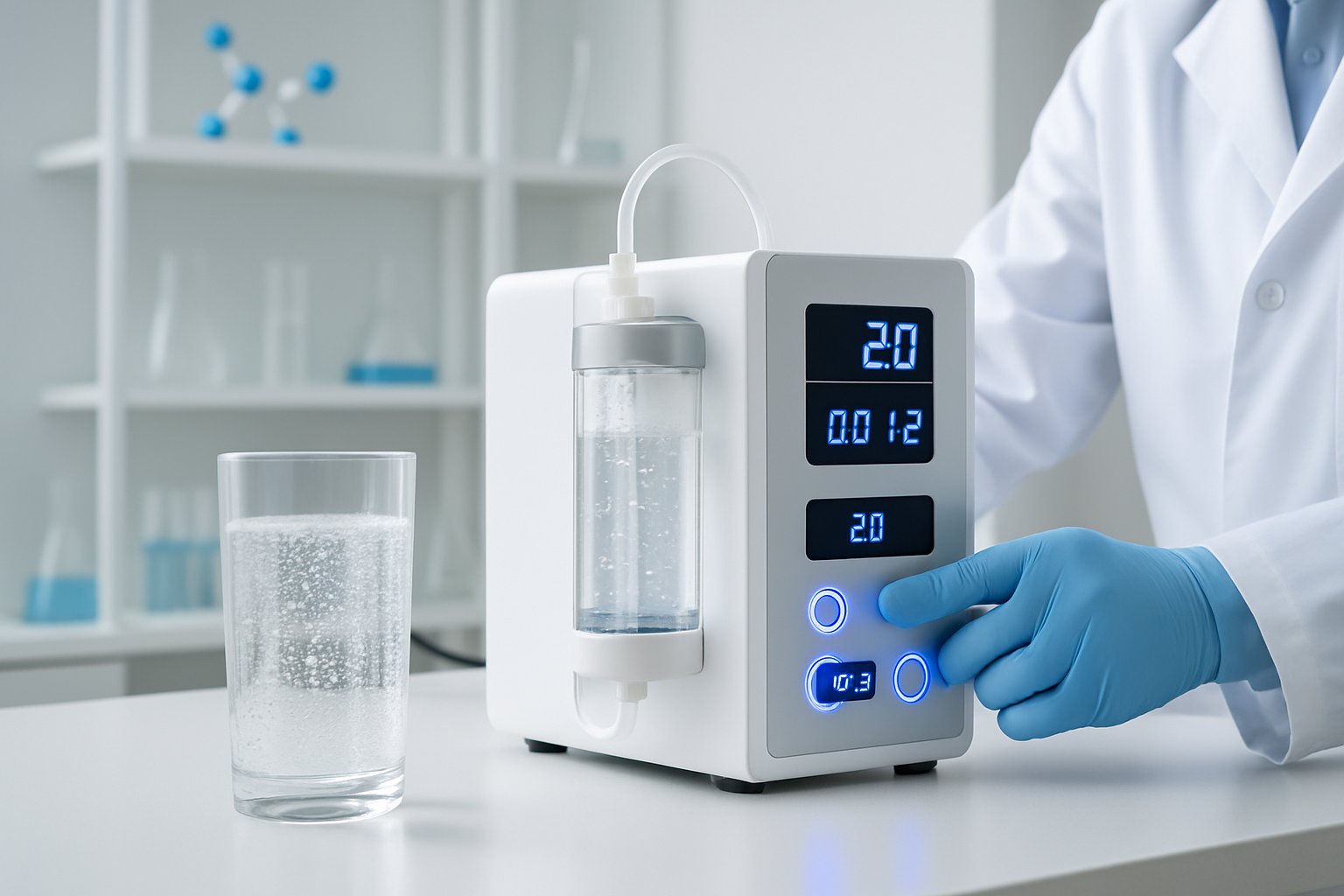
Hydrogen therapy uses molecular hydrogen (H2) as a therapeutic agent. Its selective antioxidant properties help neutralize harmful free radicals but leave beneficial cellular processes alone.
This medical gas has some unique features. It crosses cellular barriers and targets specific oxidative molecules without messing with normal body functions.
What Is Hydrogen Therapy and Molecular Hydrogen?
Hydrogen therapy involves using molecular hydrogen for its antioxidant and anti-inflammatory effects. H2 is a colorless, odorless gas that acts as both a therapeutic agent and a natural signaling molecule.
Molecular hydrogen is the smallest gas molecule out there. Its tiny size means it can slip through cell membranes and even cross the blood-brain barrier—places other antioxidants can’t reach.
You can get hydrogen therapy in several ways. Some inhale the gas, others drink hydrogen-rich water, and some receive hydrogen-rich saline injections.
Each method delivers different concentrations and absorption rates. Molecular hydrogen therapy is getting more attention in wellness circles, though researchers are still figuring out the best dosages.
The treatment offers a non-toxic way to tackle oxidative stress and inflammation. Your body even makes some hydrogen naturally—gut bacteria produce H2 during digestion.
Roughly 70% of bacteria in the large intestine can create H2 through fermentation. Pretty wild, right?
Historical Context and Discovery
Hydrogen’s therapeutic potential first appeared in 1975. Researchers showed it could help with skin cancer treatment.
But that early discovery didn’t immediately spark a wave of research or clinical use.
Things changed in 2007. Scientists published a study in Nature Medicine showing that 2% hydrogen gas could selectively target harmful radicals in brain injury models.
This study kicked off the modern era of hydrogen medicine. It proved H2 could offer benefits without the toxicity risks of other medical gases.
Since then, researchers have studied hydrogen’s effects on a range of conditions. The field has expanded from the brain to the heart, inflammation, and metabolic disorders.
What started in the lab has moved into clinical trials. That’s laid the groundwork for today’s hydrogen therapy protocols.
Key Properties of H2 as a Medical Gas
Hydrogen gas stands out for several reasons. H2 has selective antioxidant properties—it goes after hydroxyl radicals and peroxynitrite, leaving helpful reactive oxygen species alone.
Molecular hydrogen’s safety profile is another big plus. Even at high concentrations, H2 doesn’t show known toxicity, unlike gases like carbon monoxide or hydrogen sulfide.
Key therapeutic properties include:
- Anti-inflammatory effects through inflammatory pathway regulation
- Selective antioxidant action that targets only harmful free radicals
- Anti-apoptotic properties to protect cells from programmed death
- High bioavailability thanks to its small size
- Ability to activate the body’s own antioxidant systems
Hydrogen has poor water solubility, which is both a challenge and an advantage. This means you need specific delivery methods, but it also helps with controlled dosing.
H2 can cross biological barriers that stop other treatments. It passes through cell membranes, tissue barriers, and even the blood-brain barrier.
Therapeutic effects depend on how you take it, how long it stays in contact with tissues, and the concentration at the treatment site.
Mechanisms of Action

Hydrogen therapy acts on four main biological pathways. It works as a selective antioxidant, reduces oxidative stress, modulates inflammation, and boosts mitochondrial energy production.
Selective Antioxidant Effects
Traditional antioxidants tend to wipe out all reactive species. Hydrogen gas is different—it’s picky.
The molecule specifically targets hydroxyl radicals and peroxynitrite. It leaves other reactive oxygen species, like superoxide anions and hydrogen peroxide, untouched.
These other species play key roles in immune responses and cell communication. By sparing them, hydrogen keeps normal body functions humming along.
Hydrogen’s moderate reducing potential explains this selectivity. It neutralizes only the worst free radicals without messing up the cell’s redox balance.
Key targets include:
- Hydroxyl radicals (•OH)
- Peroxynitrite anion (ONOO-)
- Lipid peroxyl radicals
This approach helps prevent oxidative damage but doesn’t blunt the body’s own defense systems.
Reduction of Oxidative Stress
Hydrogen therapy tackles oxidative stress in a few ways. It activates your body’s own antioxidant systems, especially by turning on Nrf2, a transcription factor that boosts antioxidant enzyme production.
When Nrf2 kicks in, cells make more protective enzymes like superoxide dismutase, glutathione peroxidase, and catalase. This effect can stick around even after hydrogen exposure ends.
Hydrogen also helps recycle glutathione, the body’s main intracellular antioxidant. By keeping glutathione in its active form, hydrogen supports cellular redox balance.
Primary antioxidant pathways affected:
- Nrf2/ARE signaling activation
- Glutathione system enhancement
- Catalase activity improvement
- SOD enzyme upregulation
Research shows that hydrogen can cut oxidative damage markers by 20-40% in different tissues. This happens through both immediate and longer-lasting effects.
Anti-Inflammatory Pathways
Hydrogen therapy modulates inflammation by lowering proinflammatory factors and blocking major inflammatory signaling.
The main target is the NF-κB pathway, which controls inflammatory cytokine production. Hydrogen helps reduce levels of tumor necrosis factor-alpha, interleukin-1 beta, and interleukin-6.
These markers drive tissue damage and chronic inflammation if they stay high. Hydrogen also nudges macrophages from a pro-inflammatory M1 type to a healing M2 type.
Key inflammatory targets:
- NF-κB signaling pathway
- NLRP3 inflammasome activation
- Cytokine production (TNF-α, IL-1β, IL-6)
- Macrophage phenotype switching
The anti-inflammatory and antioxidant effects work together. By reducing oxidative stress, hydrogen stops inflammation at its source and blocks inflammatory signals directly.
Impact on Mitochondrial Function
Mitochondrial problems play a role in many health issues. Hydrogen therapy goes right to the source.
Its small size lets it cross mitochondrial membranes easily. Inside, hydrogen shields mitochondria from oxidative damage that can mess up energy production.
It stops lipid peroxidation in mitochondrial membranes and cuts down on protein oxidation. Hydrogen also promotes mitochondrial biogenesis by activating PGC-1α.
Mitochondrial benefits include:
- Better ATP production
- Less mitochondrial DNA damage
- Improved respiratory chain function
- More stable mitochondrial membranes
By protecting mitochondria, hydrogen helps cells survive and keeps energy metabolism running smoothly.
Delivery Methods and Administration
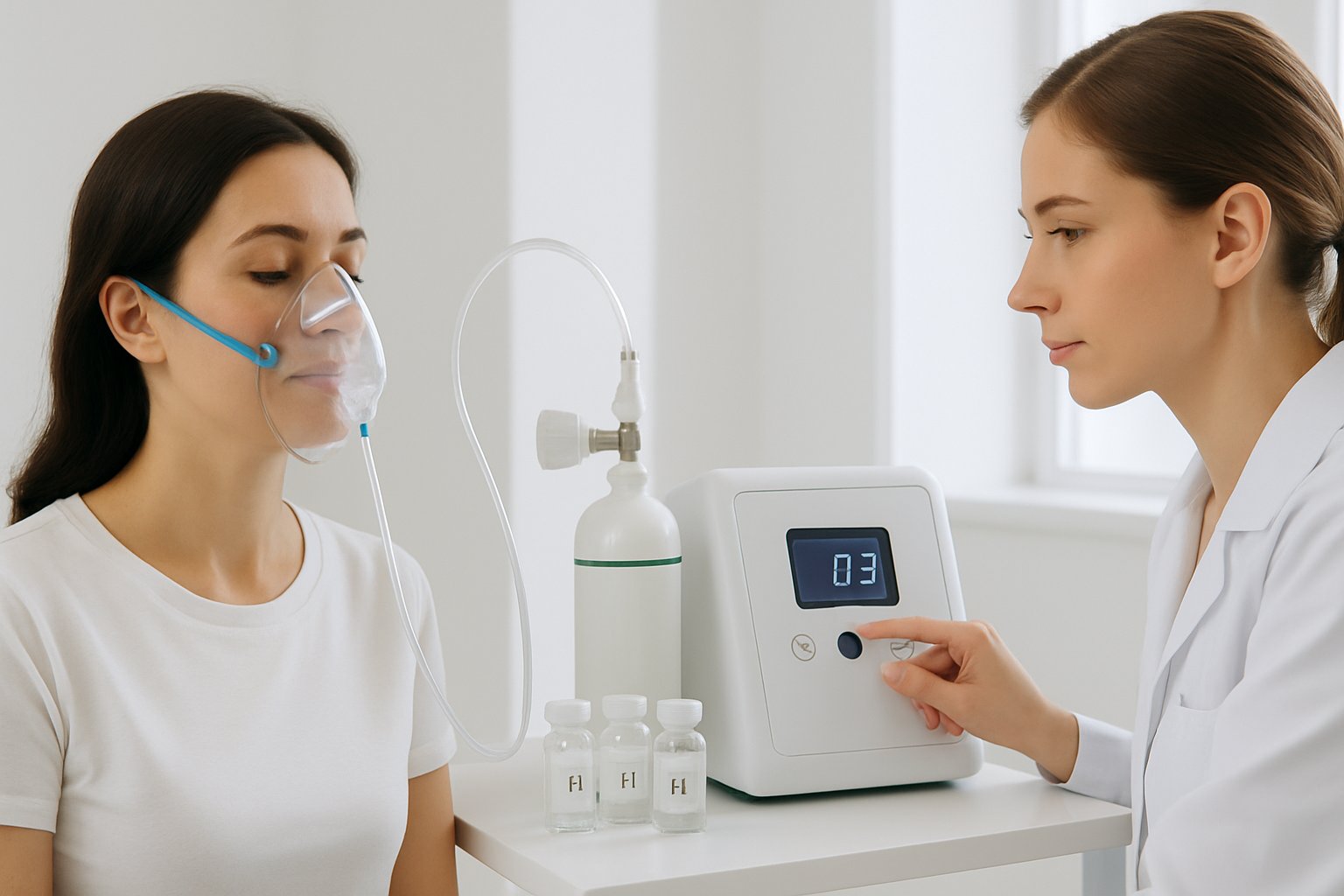
Different hydrogen administration methods change how the gas gets to tissues. Inhalation gives fast, widespread effects, while hydrogen-rich water is easy for daily use.
Each approach has different bioavailability and works better for certain conditions.
Hydrogen Inhalation
H2 inhalation delivers the gas straight through your lungs. Hydrogen enters the bloodstream quickly and spreads throughout the body in minutes.
Typical concentrations are 1-4% hydrogen mixed with air or oxygen. Higher concentrations aren’t recommended for safety reasons.
With inhalation, you get rapid effects—hydrogen peaks in the blood within 5-10 minutes.
Sessions usually last 30-60 minutes. Some protocols use several sessions per day, depending on what’s being treated.
You need special equipment for inhalation, like gas generators or pre-mixed cylinders. Medical supervision is a good idea for clinical use.
Hydrogen-Rich Water
Hydrogen water contains dissolved H2 at about 0.5-1.6 parts per million. It’s convenient for daily supplementation.
Drink hydrogen-rich water right after you make it, since the gas escapes quickly. Timing is important.
Products include bottled hydrogen water, dissolvable tablets, and home electrolysis devices. Each gives different concentrations and stability.
Studies show hydrogen water shows up in the blood within 5-15 minutes. Peak levels hit about 30 minutes after drinking.
Daily intake ranges from 300-1000 milliliters, depending on the protocol. Spreading it out through the day may keep levels more stable than one big dose.
Hydrogen-Rich Saline
H2-rich saline is injected intravenously or into the abdominal cavity. This method skips the digestive system and puts hydrogen right into the bloodstream.
Medical staff prepare hydrogen-rich saline by bubbling H2 gas through sterile saline. Concentrations reach about 0.8 millimolar.
IV administration gives immediate, body-wide effects. It’s used in acute situations or research where dosing needs to be precise.
Therapeutic concentrations at target tissues can be tricky to keep up because hydrogen leaves the body quickly. Sometimes, multiple injections are needed.
Clinical studies use volumes from 5-20 milliliters per kilogram of body weight. How often you get it depends on the condition and protocol.
Alternative Delivery Approaches
Topical hydrogen comes in creams, gels, and bathing solutions. These target skin problems or wound healing.
Hydrogen eye drops deliver the gas right to the eyes for oxidative stress-related conditions.
Rectal administration uses hydrogen-rich enemas for gut issues. This method gives direct contact with intestinal tissue and some systemic absorption.
Transdermal patches and special delivery devices are in development. These aim for steady, controlled hydrogen release over time.
Some researchers are working on hydrogen-generating materials that activate in the body. These could deliver hydrogen right where it’s needed.
Clinical Applications of Hydrogen Therapy

Hydrogen therapy shows potential across a bunch of disease categories thanks to its antioxidant and anti-inflammatory effects. Research points to promising results in cardiovascular issues, some cancers, brain disorders, and metabolic problems.
Cardiovascular Diseases
I’ve seen hydrogen therapy show a lot of promise for cardiovascular disease. It works by cutting down oxidative stress and inflammation, both big players in heart disease.
Clinical trials suggest hydrogen can improve endothelial function. That’s basically better blood vessel health and smoother circulation.
Research points to hydrogen therapy helping lower blood pressure in people with hypertension. The treatment seems to protect blood vessels from free radical damage.
Molecular hydrogen therapy research has shown benefits for patients with acute myocardial infarction. Some studies say it might reduce heart muscle damage if given during a heart attack.
There’s also potential for hydrogen therapy in treating heart failure. Patients getting hydrogen treatment often show better cardiac function and lower inflammatory markers.
Cholesterol management might be another area where hydrogen therapy helps. A few studies suggest it could help regulate lipid metabolism and cut down on harmful cholesterol.
Cancer and Oncological Uses
The cancer applications of hydrogen therapy are honestly fascinating. It seems to protect healthy cells while making cancer treatments more effective against tumor cells.
Lung cancer research finds hydrogen may reduce chemotherapy side effects. Patients who get hydrogen with standard treatment often report less fatigue and a better quality of life.
Colorectal cancer studies show similar protective effects. The therapy seems to lower chemo-induced liver damage but doesn’t mess with how well the treatment works.
Clinical trials suggest hydrogen therapy can boost radiation therapy outcomes. It seems to shield normal tissues from radiation damage without blocking cancer cell destruction.
Clinical studies and outcomes show hydrogen therapy reduces inflammatory responses in cancer patients. Lower inflammation may help people tolerate treatment better.
There’s some research hinting hydrogen might help prevent cancer metastasis. The therapy seems to cut down on factors that let cancer spread.
Hydrogen therapy could also help with cancer-related cachexia. Patients sometimes report better appetite and less muscle wasting.
Neurodegenerative and Cognitive Disorders
I’ve dug through a lot of research on hydrogen therapy’s neuroprotective effects. The therapy crosses the blood-brain barrier easily because of its tiny molecular size.
People with mild cognitive impairment sometimes show memory and processing improvements after hydrogen treatment. That’s pretty encouraging.
Neurodegenerative diseases like Parkinson’s seem to respond well to hydrogen therapy. Patients often have fewer motor symptoms and improved daily functioning.
Alzheimer’s research points to hydrogen possibly slowing disease progression. It looks like the therapy reduces brain inflammation and protects neurons.
Stroke studies show hydrogen therapy can limit brain damage if given quickly. It’s most useful within hours of a stroke.
Some studies even suggest hydrogen therapy could help with depression and anxiety. A few clinical trials show reduced psychiatric symptoms in treated patients.
There’s also potential in treating traumatic brain injury. Research says hydrogen may reduce brain swelling and protect against further injury.
Metabolic Syndrome and Obesity
Hydrogen therapy seems to tackle several parts of metabolic syndrome at once. It looks like it can boost insulin sensitivity and improve glucose metabolism.
Patients with metabolic syndrome often see better blood sugar control after hydrogen therapy. Studies show lower fasting glucose and improved insulin response.
Obesity research hints hydrogen could support weight management. The therapy might help with energy metabolism and fat burning.
Improvements in glucose metabolism happen through multiple pathways. Hydrogen seems to help cells produce more energy and become less insulin resistant.
Energy metabolism benefits show up with better mitochondrial function. That’s the powerhouse of the cell, so it’s a big deal for metabolic health.
Type 2 diabetes studies are promising too. People taking hydrogen supplements sometimes have better glycemic control and fewer diabetic complications.
There’s also some evidence hydrogen therapy could help liver function in fatty liver disease. Research suggests it cuts down on liver inflammation and fat buildup.
Anti-Inflammatory and Immune System Benefits

Hydrogen therapy may reduce inflammatory markers and support immune function in several ways. Research shows hydrogen can target chronic inflammation, autoimmune disorders, and respiratory infections by neutralizing harmful reactive oxygen species.
Management of Arthritis and Autoimmune Diseases
Hydrogen therapy shows promising results for autoimmune diseases by calming the immune system’s inflammatory response. It works by cutting down on pro-inflammatory cytokines that drive these conditions.
Research finds hydrogen can lower inflammatory markers like IL-6, which plays a big role in autoimmune disease progression. In arthritis, this means less joint inflammation and pain.
Some studies show hydrogen therapy may help regulate T-cell function. Since overactive T-cells cause tissue damage in autoimmune diseases, that’s a pretty important effect.
The therapy stands out because it targets several inflammatory pathways at the same time. Unlike traditional meds that suppress the whole immune system, hydrogen seems to cut only the harmful inflammation.
Patients with rheumatoid arthritis sometimes report less morning stiffness and joint swelling after hydrogen treatment. Hydrogen’s ability to cross cell membranes lets it reach inflamed tissues directly.
Effects on Chronic Inflammation
Chronic inflammation is everywhere these days, contributing to issues like heart disease and even faster aging. Hydrogen therapy reduces inflammatory markers without the usual side effects of anti-inflammatory drugs.
Hydrogen neutralizes hydroxyl radicals and peroxynitrite, two of the nastiest reactive oxygen species. This helps break the cycle of oxidative stress that keeps chronic inflammation going.
Research shows hydrogen can lower malondialdehyde levels, a marker of lipid peroxidation and cell damage. Less malondialdehyde means less oxidative stress and inflammation.
Clinical studies find hydrogen therapy can decrease C-reactive protein, an important inflammation marker. People often see lower inflammatory markers within weeks of starting treatment.
The therapy works best with regular use over time. Consistent hydrogen exposure helps keep baseline inflammation lower, not just providing a quick fix.
Inflammation in Respiratory and Infectious Conditions
Respiratory diseases usually involve a lot of inflammation, which hydrogen therapy may help control. Hydrogen’s small size lets it reach lung tissues easily and calm local inflammation.
In sepsis, hydrogen therapy supports the immune system by preventing the runaway inflammatory response that can cause organ failure. It helps balance immune activity without shutting it down completely.
Studies show hydrogen can reduce lung damage from inflammation in conditions like pneumonia and acute respiratory distress syndrome. The therapy protects lung cells while keeping immune responses strong enough to fight infection.
Research suggests hydrogen might help curb the inflammatory cascade in severe infections. This could be key for preventing tissue damage from overwhelming inflammation.
Hydrogen therapy may also shorten recovery times from respiratory infections. Patients sometimes report milder symptoms and quicker recovery when they use hydrogen therapy along with regular treatments.
Molecular Hydrogen in Cellular and Tissue Protection

Molecular hydrogen protects cells by getting inside them, boosting the body’s own antioxidant systems, and tweaking the cellular pathways that control stress responses.
Effects on Cell Membranes and the Blood-Brain Barrier
Hydrogen’s small size lets it slip through cell membranes without special transport proteins. That means it can reach spots in the cell other antioxidants can’t.
It crosses the blood-brain barrier quickly. Most stuff can’t get through, but hydrogen’s tiny size lets it pass freely.
I think this is especially important for protecting cells under oxidative stress. Molecular hydrogen can permeate cellular membranes and spread throughout the body fast.
Hydrogen reaches mitochondria, where most oxidative damage happens. It also gets into the nucleus, where DNA lives, offering genetic protection.
This wide distribution means hydrogen can help protect cell membranes, proteins, and genetic material all at once.
Support for Antioxidant Enzymes
Hydrogen doesn’t just act as an antioxidant itself—it boosts the body’s own systems. It increases glutathione, a major cellular antioxidant.
Glutathione drops as we age or get sick. Hydrogen therapy helps restore it, giving cells better defense.
It also supports enzymes like catalase and superoxide dismutase. These break down substances that can hurt cells.
Hydrogen doesn’t get in the way of good oxidative processes. Unlike some antioxidants, it goes after only the most harmful free radicals.
This selective action means hydrogen reduces peroxynitrite, a particularly damaging compound, but leaves nitric oxide alone. Nitric oxide is actually good for blood vessels and immune responses.
Regulation of Redox and Signaling Pathways
Hydrogen influences several cellular signaling pathways that control stress responses. It affects the NF-κB pathway, which is central to inflammation.
It also impacts the PI3K/AKT pathway, which deals with cell survival and growth. These protective mechanisms help regulate immune responses during tissue injury.
Hydrogen keeps the cell’s redox balance in check without wiping out all reactive oxygen species. Some of these molecules are actually needed for healthy cell function.
The therapy helps maintain good cellular communication during stress. This lets cells coordinate their protective responses better.
Hydrogen also shifts gene expression related to antioxidant production. That way, cells can ramp up their own defenses after hydrogen exposure.
These effects combine to provide broad cellular protection, not just simple antioxidant action.
Hydrogen Therapy in Gastrointestinal Health

Hydrogen therapy looks promising for digestive health. It can reshape gut bacteria and reduce inflammation in various intestinal conditions.
Influence on Gut Microbiota
Hydrogen therapy makes real changes in the gut’s bacterial environment. When hydrogen gas enters the digestive system, it interacts with the microbes already there.
The gas acts as food for some helpful bacteria while holding back harmful ones. This helps restore balance in the intestines.
Studies show that hydrogen-rich water modulates gut microbiota by interacting with both hydrogen-producing and hydrogen-consuming bacteria. The delivery method—drinking or inhaling—matters.
Drinking hydrogen water and inhaling hydrogen gas each affect gut bacteria differently. Each approach creates its own changes in the gut.
The therapy encourages growth of good bacteria and reduces those linked to inflammation and disease. This shift helps with digestion and lowers gut permeability.
Impact on Gastrointestinal Disorders
Hydrogen therapy seems especially effective for inflammatory bowel conditions. It works by lowering oxidative stress and calming immune responses in the gut.
Clinical studies show molecular hydrogen therapy alleviates inflammatory bowel disease and intestinal injury through several protective mechanisms. It targets key inflammation pathways like NF-κB.
Electrolyzed hydrogen water helps patients with abdominal pain and digestive inflammation. People often report less cramping and more regular bowel movements.
For irritable bowel syndrome, hydrogen therapy can ease GI discomfort. It tackles both inflammation and bacterial imbalances behind IBS symptoms.
The therapy also protects against ischemia-reperfusion injury in the gut. This effect helps prevent tissue damage when blood flow drops and then returns.
Emerging Areas and Future Perspectives
Researchers keep finding new uses for molecular hydrogen, especially in acute medical situations and athletic performance. There’s growing interest in its role in respiratory infections and reducing exercise-induced fatigue.
Potential in COVID-19 and Acute Conditions
I’ve noticed more attention on hydrogen therapy for respiratory conditions, including COVID-19. Its anti-inflammatory properties might help reduce lung inflammation and oxidative stress in severe infections.
Early studies suggest hydrogen inhalation could support oxygen therapy in critical patients. The gas seems to reach lung tissue well, possibly reducing inflammation without clashing with standard treatments.
There’s some evidence hydrogen may help prevent cytokine storms—those dangerous immune overreactions in severe COVID-19. This may come from hydrogen’s knack for neutralizing harmful free radicals while leaving good cell processes alone.
Clinical trials examining hydrogen therapy now include other acute conditions like sepsis, acute kidney injury, and post-surgical recovery.
Muscle Fatigue and Endurance Enhancement
I’ve seen a lot of research zero in on hydrogen’s effects on exercise performance and recovery. Athletes who use hydrogen-rich water often say they feel less muscle fatigue and bounce back faster after tough training.
Studies suggest hydrogen can help decrease lactate buildup during exercise. With less of these metabolic leftovers, muscles seem to hold up longer during endurance activities.
This little molecule seems to shield muscle cells from oxidative damage brought on by exercise. By neutralizing the nasty free radicals that show up during intense workouts, hydrogen might help keep muscle function intact and cut down on soreness afterward.
Some research points to the best timing as about 30 minutes before exercise and right after finishing. That way, you get the most out of hydrogen’s protective effects during the highest stress moments.
Current Limitations, Research Needs, and Safety Considerations
There are still some real challenges in hydrogen medicine development. The biggest issue? Hydrogen just doesn’t dissolve well in water, so it’s tough to get enough in your system by drinking it.
We need more standardized dosing across different ways of giving hydrogen. Right now, studies use all sorts of concentrations and delivery systems, which makes comparing results pretty tricky.
Long-term safety data is still thin, even though hydrogen seems pretty safe so far. I think it’s smart to keep an eye on anyone getting hydrogen therapy over long periods, just in case something pops up.
Researchers are working on better delivery systems. They’re trying out nanosized carriers and catalytic materials to generate hydrogen right where it’s needed, which could make treatment more effective and maybe lower the doses required.
Frequently Asked Questions
Hydrogen therapy brings up a lot of questions about how it works, its safety, and where it fits in medicine. The therapy involves using molecular hydrogen gas in different ways to try to reduce oxidative stress and inflammation in the body.
What are the potential health benefits of using hydrogen therapy?
From what I’ve seen, hydrogen therapy might offer several benefits thanks to its antioxidant properties. It targets harmful reactive oxygen species but leaves the helpful ones alone.
Cardiovascular diseases show positive indications in some studies. Cancer patients have also reported improvements in certain trials.
Respiratory conditions might get better with hydrogen’s anti-inflammatory effects. There’s also some promise for central nervous system disorders, at least in research so far.
It could help with metabolic issues and exercise recovery. Some studies even suggest benefits for diabetes and athletic performance.
How does hydrogen therapy work at a cellular level?
Hydrogen gas acts as a selective antioxidant inside cells. It goes after specific harmful molecules—hydroxyl radicals—without messing with the good reactive oxygen species.
Hydrogen is tiny, with a molecular weight of just 2 Da. That lets it slip easily through cell membranes and reach pretty much everywhere in the body, even the brain.
The gas helps tissues stay balanced by cutting down oxidative stress. This might protect cells from damage and support the body’s natural healing.
Hydrogen can cross biological barriers that most other antioxidants can’t. That unique ability could make it more effective than standard antioxidant treatments.
Is hydrogen therapy safe for all age groups and health conditions?
From what I can tell, hydrogen therapy looks safe based on current research and clinical trials. Unlike some other medical gases, hydrogen doesn’t bind to hemoglobin in your blood.
Deep-sea divers have used hydrogen-oxygen mixes safely for years. That gives us some long-term safety info for people exposed to hydrogen gas.
Most clinical studies report very few side effects. Trials generally conclude hydrogen is safe for different age groups.
Of course, hydrogen is flammable, so safety protocols and proper equipment are a must when giving this therapy.
What types of diseases or medical conditions may be improved with hydrogen therapy?
There’s evidence for hydrogen therapy benefits across several major diseases. Clinical trials show positive results in cardiovascular, cancer, and respiratory problems.
Neurological disorders might improve thanks to hydrogen’s neuroprotective effects. Some infections and inflammatory conditions have also responded in studies.
Metabolic disorders like diabetes show promise in research. Sports medicine is interested in hydrogen mostly for recovery and performance.
COVID-19 patients have tried hydrogen-oxygen mixtures in several trials. Even lifestyle issues like obesity have been looked at.
How is hydrogen therapy administered in a clinical setting?
Hydrogen therapy can be given in a few different ways. Inhalation is the most common method in clinics like Nature’s Elements Wellness in Mallorytown, Ontario.
Drinking hydrogen-enriched water is another option, though hydrogen doesn’t dissolve much—just 1.57 mg per liter.
Intravenous injection of hydrogen-rich saline delivers it directly, but you’ll need special equipment and trained staff for that.
Other methods include hydrogen baths, eye drops, and even dialysis. Each has its own protocols to make sure treatment is safe and works as intended.
Are there any scientific studies that support the efficacy of hydrogen therapy?
I’ve gone through over 2,000 scientific publications on hydrogen gas therapy. These cover everything from lab research to animal studies and even human clinical trials.
If you check clinical trial databases, you’ll find 81 registered trials on hydrogen therapy. They’re looking at a range of diseases and different ways to administer the therapy.
Interest in this area really picked up after 2007, when researchers first noticed hydrogen’s antioxidant properties. Since then, about five new studies get published each year.
Most of these studies show some positive effects in the conditions they target. That said, researchers still need to figure out the best ways to use hydrogen therapy and what the right doses should be.