Benefits of Prenatal Massages in Norfolk County
Prenatal massages can be a relaxing and beneficial way to ease the discomfort of pregnancy. This special type of massage is designed for pregnant women and focuses on the unique needs of their changing bodies. You can experience reduced stress, less pain, and improved mood with regular prenatal massages.

During pregnancy, your body goes through many changes that can cause aches and pains. Prenatal massage can help relieve these issues and make you feel more comfortable. It can also help reduce swelling, improve sleep, and even prepare your body for labor.
Before getting a prenatal massage in Norfolk County, it’s important to talk to your doctor, especially if you have a high-risk pregnancy. A certified prenatal massage therapist will know how to safely position you and which techniques to use. Many women find that prenatal massage becomes an essential part of their pregnancy self-care routine.
Benefits of Prenatal Massage
Prenatal massage offers several advantages for expectant mothers. It can help with pain, stress, and sleep issues while promoting relaxation and overall well-being.
Pain and Stress Relief
Prenatal massage can reduce anxiety and depression symptoms. It eases muscle aches and joint pains common during pregnancy. The gentle pressure helps release tension in your back, neck, and shoulders.
Massage therapy lowers stress hormones like cortisol. It also boosts feel-good chemicals such as serotonin. This combination helps you feel calmer and more relaxed.
Many women report less leg cramping and sciatic pain after prenatal massages. The techniques used can target specific areas of discomfort, providing much-needed relief.
Enhanced Circulation
Prenatal massage improves blood flow throughout your body. Better circulation can reduce swelling in your hands and feet, a common pregnancy complaint.
The massage strokes help move excess fluid from your extremities. This can ease edema, especially in your legs and ankles.
Improved blood flow also means more oxygen and nutrients reach your baby. This supports healthy fetal development.
Improved Sleep Quality
Many pregnant women struggle with insomnia. Prenatal massage can help you get better sleep. The relaxation effects often last beyond the massage session.
Massage reduces physical discomfort that might keep you awake. It also calms your mind, making it easier to fall asleep and stay asleep.
Better sleep leads to more energy during the day. You may find it easier to handle the physical demands of pregnancy when you’re well-rested.
Safety and Considerations
Prenatal massage offers many benefits, but it’s important to be aware of safety issues. Certain precautions and modifications are needed to ensure the well-being of both mother and baby.
Contraindications and Precautions
Prenatal massage is not recommended for women with high-risk pregnancies or certain health conditions. You should avoid massage if you have:
• Blood clots or deep vein thrombosis • Preeclampsia • Severe swelling or high blood pressure • Gestational diabetes • Placental problems
Talk to your doctor before getting a massage, especially in the first trimester. Some pressure points may trigger contractions, so these areas should be avoided.
If you experience headaches, swelling, or abdominal pain after a massage, contact your healthcare provider right away. These could be signs of a problem.
Choosing a Qualified Massage Therapist
Select a certified prenatal massage therapist with specialized training in pregnancy massage. They will know proper techniques and precautions.
Ask about their qualifications and experience with prenatal massage. Make sure they are licensed and insured.
A good therapist will ask about your pregnancy and any health issues. They should have you fill out a health history form.
Tell your therapist about any discomfort or sensitivity you have. Communication is key for a safe, relaxing experience.
Massage Techniques and Modifications
Prenatal massage uses gentler pressure than regular massage. Deep tissue work is avoided.
Side-lying position is safest after the first trimester. Special cushions and pillows provide support and comfort.
Areas to focus on include: • Lower back • Hips • Legs and feet • Neck and shoulders
Avoid lying flat on your back or stomach. This can put pressure on blood vessels.
Light stomach massage is okay if you’re comfortable. But avoid deep abdominal work.
Therapists use long, sweeping strokes and kneading to improve circulation. Pressure is adjusted based on your comfort level.
Prenatal Massage Through the Trimesters
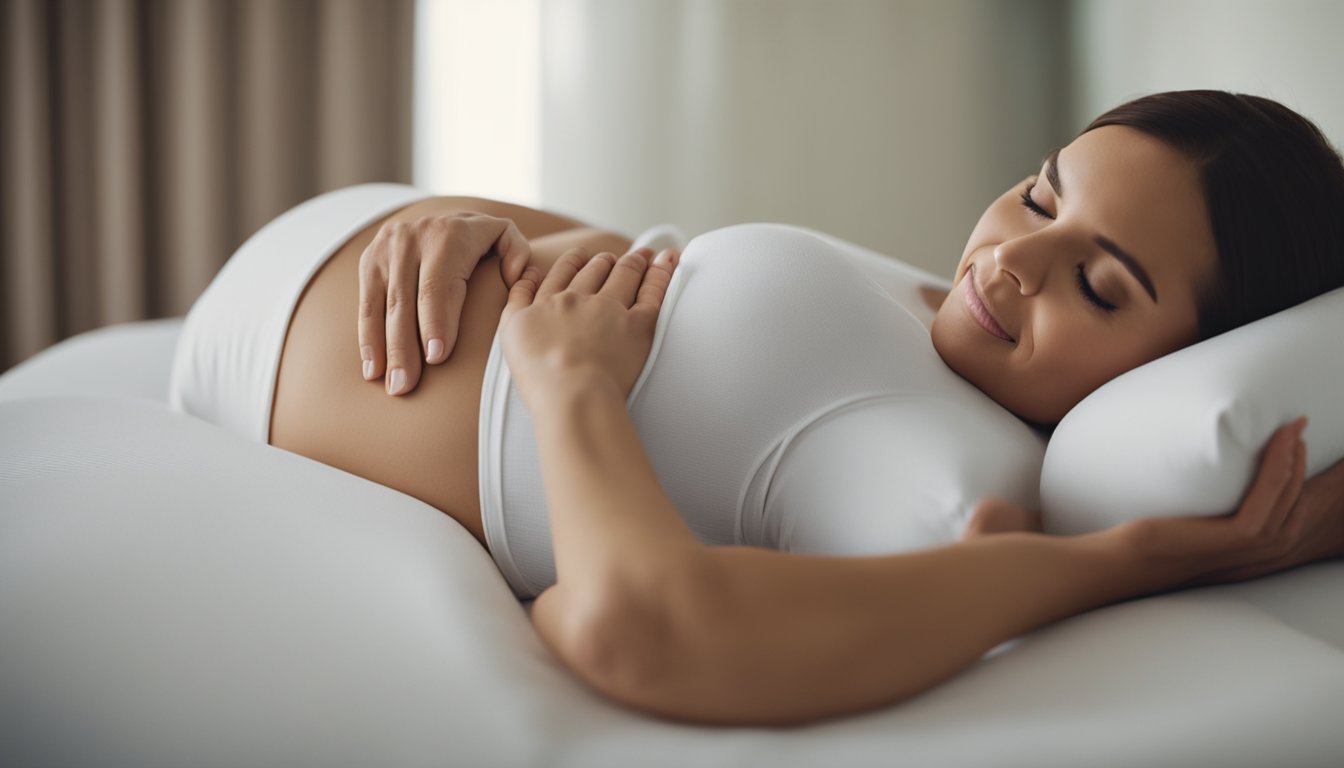
Prenatal massage offers unique benefits during each stage of pregnancy. The techniques and focus areas change as your body transforms over the three trimesters.
First Trimester Adjustments
In the first trimester, prenatal massage focuses on easing early pregnancy discomforts. Gentle techniques help with nausea, fatigue, and headaches. Massage therapists avoid certain pressure points linked to miscarriage risk.
You may lie on your stomach with special cushions for support. This position becomes harder later in pregnancy. The massage targets your lower back, shoulders, and legs to reduce tension.
Therapists use light pressure to boost blood flow. This can help with morning sickness and tiredness. They also work on uterine ligaments to ease growing pains.
Second Trimester Focus
As you enter the second trimester, prenatal massage shifts to address new body changes. The focus moves to your lower back, hips, and legs.
Massage can ease sciatic nerve pain common in this stage. Therapists use techniques to relax tight muscles around your spine and pelvis. This helps reduce pressure on the sciatic nerve.
You’ll likely lie on your side with pillow support. This position is safe and comfy as your belly grows. Massage now targets swelling in your hands and feet. It can help reduce fluid buildup and improve circulation.
Third Trimester Techniques
In the final stretch, prenatal massage adapts to your changing needs. The main goals are comfort and relaxation as you prepare for birth.
Therapists use very gentle strokes to avoid triggering contractions. They focus on reducing swelling in your legs and feet. Light massage helps boost blood flow and ease discomfort.
You’ll usually lie on your side or sit in a chair. Massage targets your lower back to ease the strain of carrying extra weight. Gentle work on your neck and shoulders can relieve tension from poor sleep positions.
Therapists may use techniques to help turn breech babies. But always check with your doctor first. Massage in this trimester can also help you relax and reduce stress about labor.
Additional Considerations in Prenatal Care
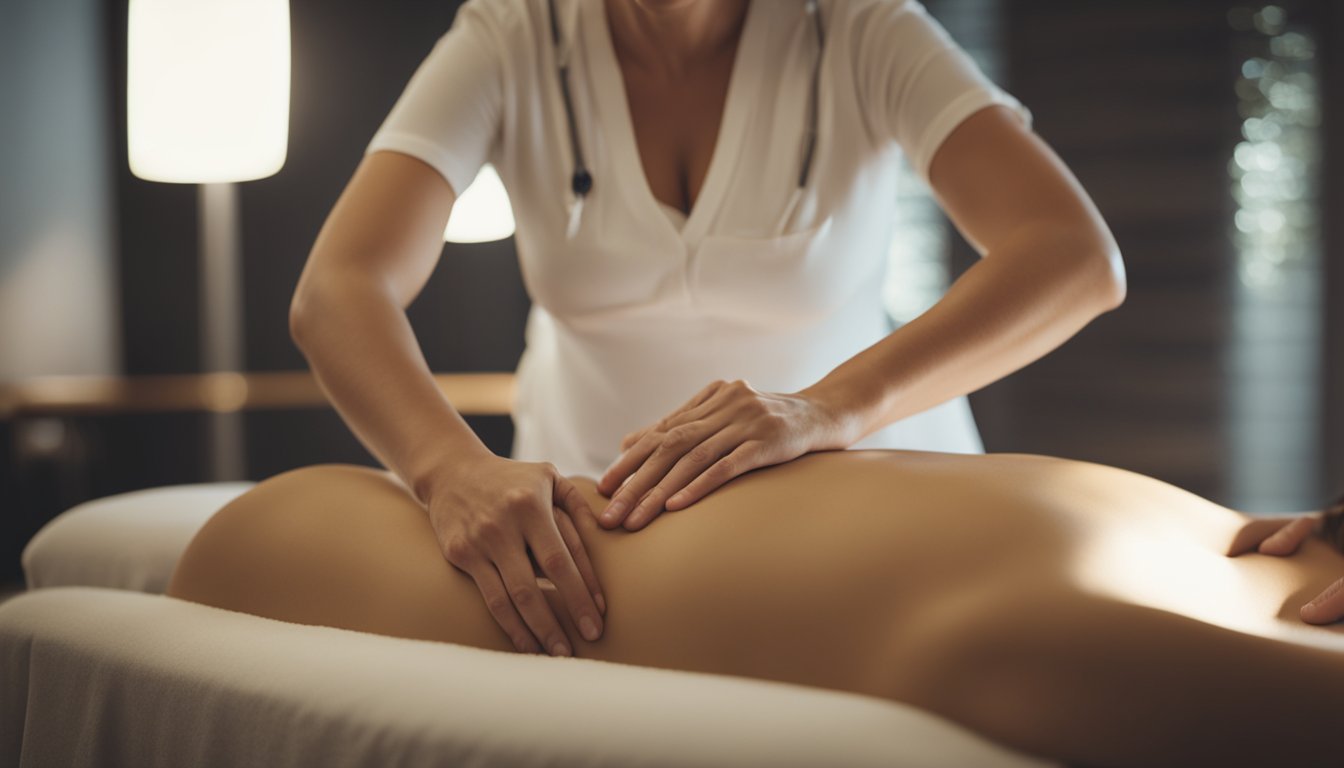
Prenatal care goes beyond medical check-ups. It involves a holistic approach to support your physical and mental well-being during pregnancy.
Nutrition and Exercise
Proper nutrition is crucial for your baby’s growth. Eat a variety of fruits, vegetables, whole grains, and lean proteins. Take prenatal vitamins as recommended by your doctor.
Stay active with safe exercises. Walking, swimming, and prenatal yoga can help maintain your fitness and mobility. These activities may also reduce the risk of gestational diabetes and improve your mood.
Always check with your healthcare provider before starting any new exercise routine. They can guide you on what’s safe for your specific situation.
Mental Health and Wellness
Pregnancy can bring emotional challenges. It’s normal to feel anxious or overwhelmed at times. Prenatal massage therapy can help boost your mood by promoting the release of feel-good hormones like serotonin and dopamine.
Consider joining a prenatal support group or talking to a therapist. These can provide valuable emotional support and coping strategies.
Practice self-care regularly. This might include relaxation techniques, getting enough sleep, or engaging in hobbies you enjoy. Taking care of your mental health is just as important as your physical health during pregnancy.
Frequently Asked Questions

Prenatal massage offers numerous benefits for expectant mothers. It can help with common pregnancy discomforts and promote overall well-being. Here are some key questions about prenatal massage answered.
What are the benefits of prenatal massage?
Prenatal massage can reduce back pain, joint pain, and muscle tension. It may also improve circulation and reduce swelling in your hands and feet. Many women report better sleep quality and reduced stress after receiving prenatal massages.
Can prenatal massage be done during the third trimester?
Yes, prenatal massage can be done during the third trimester. It’s important to work with a trained professional who knows how to adjust techniques for your changing body. They will use proper positioning to ensure your comfort and safety.
What are some recommended prenatal massage techniques?
Gentle stroking, kneading, and circular movements are common in prenatal massage. Your therapist may focus on areas like your lower back, hips, and legs. They’ll avoid deep pressure on certain areas to keep you and your baby safe.
How should a pregnant woman be positioned during a prenatal massage?
You’ll often lie on your side with pillows for support. This position is safe and comfortable for most pregnant women. Some massage tables have special cutouts for your growing belly, allowing you to lie face down if you prefer.
From which week of pregnancy is it safe to start receiving prenatal massages?
Many therapists recommend waiting until after the first trimester to start prenatal massage. This is usually around week 13 or 14. Always check with your doctor before starting any new treatments during pregnancy.
Are there any areas on the body that should be avoided during a prenatal massage?
Certain pressure points should be avoided, especially those on the ankles and wrists. The abdomen is typically not massaged. A trained prenatal massage therapist will know which areas to avoid to keep you and your baby safe.